
 offersgravity
Table of Contents
- Introduction
- The History of Nike
- What Sets Nike Apart
- Iconic Products and Innovations
- Nike’s Commitment to Sustainability
- The Power of Marketing and Branding
- Digital Transformation and E-commerce
- Community Engagement and Social Responsibility
- Challenges and Future Outlook
- Conclusion
1. Introduction
From humble beginnings to global dominance, Nike has become a household name synonymous with sports, innovation, and lifestyle. With its iconic swoosh logo and “Just Do It” tagline, Nike transcends being just a sportswear brand to embodying a movement that inspires athletes and enthusiasts worldwide.
Known for its cutting-edge products, transformative marketing campaigns, and commitment to sustainability, Nike continues to lead the way in shaping the future of athletic performance and everyday wear. This article dives deep into Nike’s journey, its groundbreaking innovations, and its influence on the world of sports and culture.
2. The History of Nike
Nike was founded in 1964 as Blue Ribbon Sports by Bill Bowerman, a track and field coach, and Phil Knight, a former student-athlete. The duo initially operated as a distributor for Japanese shoe manufacturer Onitsuka Tiger (now ASICS). In 1971, the brand adopted the name “Nike,” inspired by the Greek goddess of victory, and introduced the iconic swoosh logo designed by Carolyn Davidson.
The launch of the Nike Cortez in 1972 marked the brand’s first major success. Over the decades, Nike expanded its product range and entered various sports markets, becoming the world’s largest supplier of athletic shoes and apparel. Headquartered in Beaverton, Oregon, Nike now operates globally, inspiring millions to pursue greatness.
3. What Sets Nike Apart
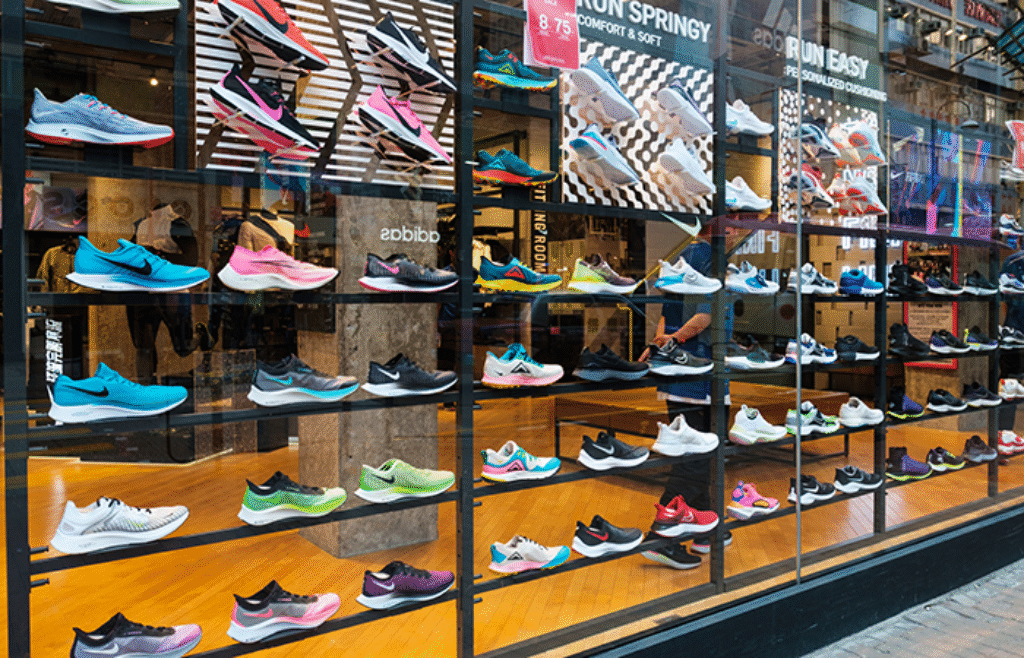
Nike’s success lies in its relentless pursuit of innovation, unparalleled product quality, and ability to connect emotionally with its audience. Key factors that differentiate Nike include:
- Innovative Design: From groundbreaking shoe technology like Air Max to ergonomic athletic wear, Nike constantly pushes the boundaries of design.
- Athlete Collaborations: Partnering with world-class athletes, including Michael Jordan, Serena Williams, and Cristiano Ronaldo, enhances credibility and market appeal.
- Global Reach: With a presence in over 190 countries, Nike’s products and campaigns resonate with diverse audiences.
4. Iconic Products and Innovations
Nike’s product portfolio features some of the most iconic sportswear in history. Notable innovations include:
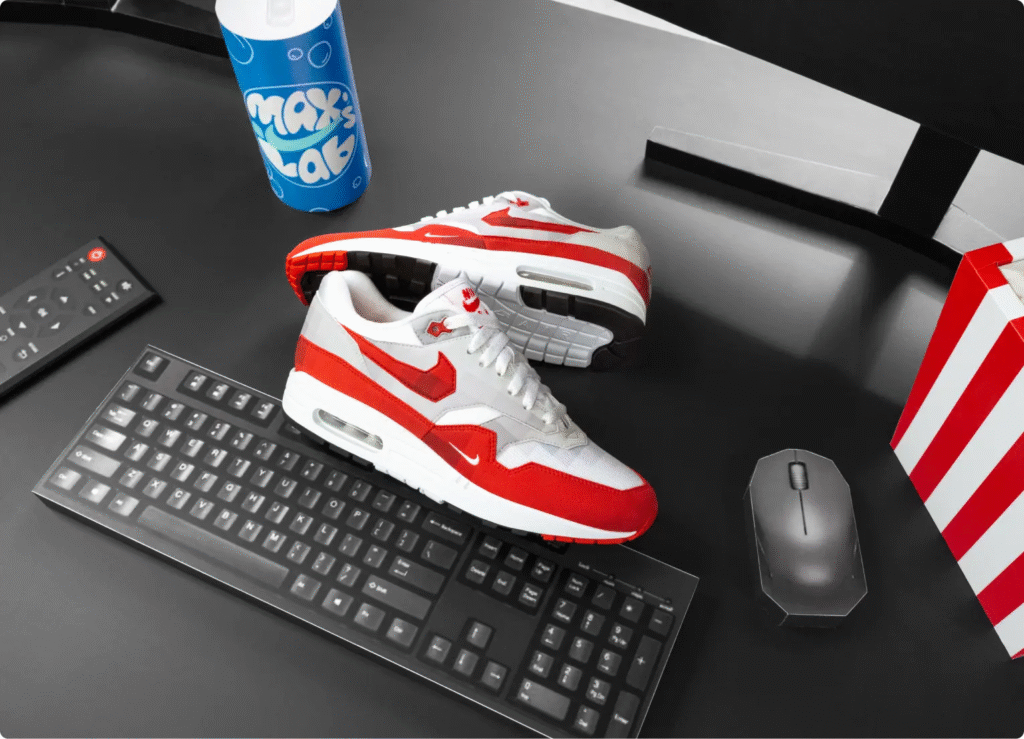
- Air Max Technology: Introduced in 1987, Air Max revolutionized cushioning in athletic footwear.
- Flyknit Technology: Lightweight and eco-friendly, Flyknit technology redefined performance and comfort.
- Nike Free: Designed to mimic barefoot movement, Nike Free shoes cater to natural running enthusiasts.
- Jordan Brand: The Air Jordan line, launched in 1985, remains a cultural and sportswear phenomenon.
- Nike Adapt: Featuring self-lacing technology, Nike Adapt represents the future of smart footwear.
5. Nike’s Commitment to Sustainability
Sustainability is a core pillar of Nike’s strategy. The company’s Move to Zero initiative aims to achieve zero carbon and zero waste. Key sustainability efforts include:
- Recycled Materials: Products like Flyknit and Nike’s “Space Hippie” collection use recycled materials.
- Circular Design: Nike Grind repurposes manufacturing waste into new products.
- Renewable Energy: Nike’s facilities are powered by renewable energy, reducing its carbon footprint.
Through these initiatives, Nike sets a benchmark for environmental responsibility in the sportswear industry.
6. The Power of Marketing and Branding
Nike’s marketing strategies are legendary. The “Just Do It” campaign, launched in 1988, redefined advertising by combining emotional storytelling with empowerment. Key elements of Nike’s branding success include:
- Athlete Endorsements: Collaborations with iconic figures amplify Nike’s reach and authenticity.
- Social Media Mastery: Engaging content and viral campaigns ensure Nike stays relevant in the digital age.
- Cultural Relevance: By addressing social and cultural issues, Nike resonates with audiences beyond sports.
7. Digital Transformation and E-commerce
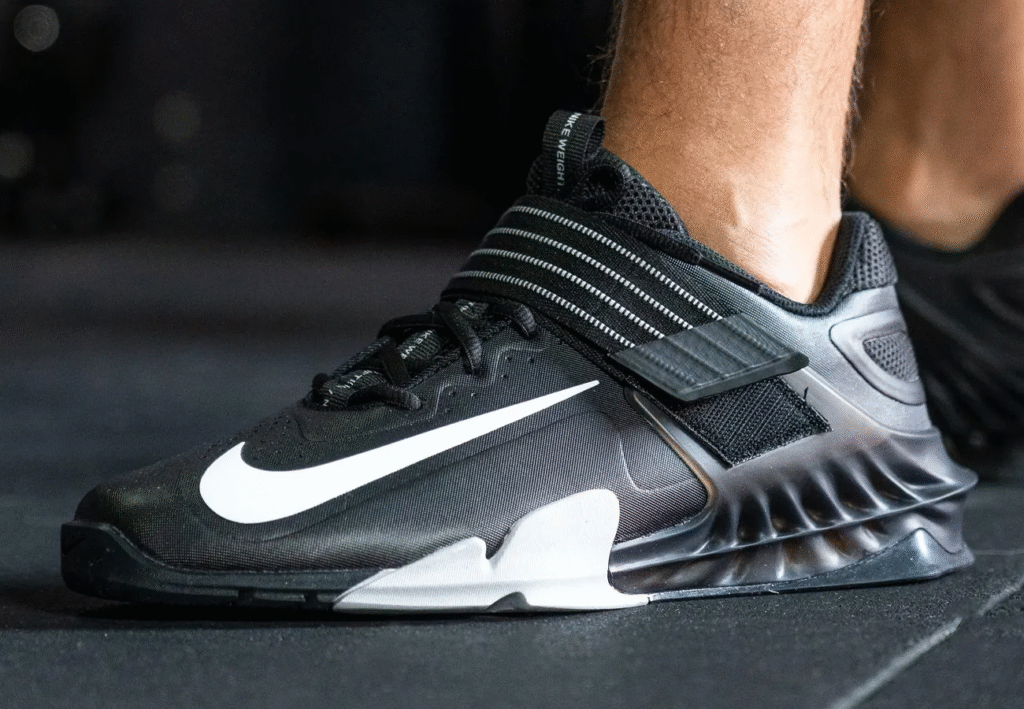
Nike’s investment in digital platforms has transformed its business model. With a robust e-commerce presence and apps like Nike Training Club and SNKRS, the company offers personalized shopping and fitness experiences. Key features include:
- Direct-to-Consumer Strategy: Enhancing online sales channels and exclusive releases.
- Data-Driven Insights: Leveraging customer data to tailor products and experiences.
- Augmented Reality: Virtual try-ons and AR tools enhance online shopping.
8. Community Engagement and Social Responsibility
Nike’s commitment to community extends beyond sports. The company invests in grassroots initiatives, supports underrepresented communities, and advocates for social justice. Notable efforts include:
- Equality Campaigns: Promoting diversity and inclusion in sports and society.
- Nike Community Impact Fund: Supporting local organizations through grants.
- Youth Programs: Encouraging physical activity and sports participation worldwide.
9. Challenges and Future Outlook
While Nike remains an industry leader, it faces challenges such as competition, supply chain disruptions, and evolving consumer preferences. To stay ahead, Nike focuses on:
- Technological Innovation: Developing smart apparel and footwear.
- Sustainability Goals: Scaling eco-friendly initiatives.
- Global Expansion: Exploring untapped markets and expanding digital infrastructure.
10. Conclusion
Nike’s journey from a small startup to a global powerhouse exemplifies the power of innovation, branding, and resilience. By inspiring athletes and embracing change, Nike has cemented its place as a leader in sports and lifestyle.
As the brand continues to evolve, it remains committed to pushing boundaries and empowering individuals to pursue their best selves. Whether you’re an athlete or a fan of athleisure, Nike’s products and philosophy inspire you to “Just Do It.”